US puts new tariffs on Brazil
Trump imposes 25% tariff on some Brazilian imports after trade investigation
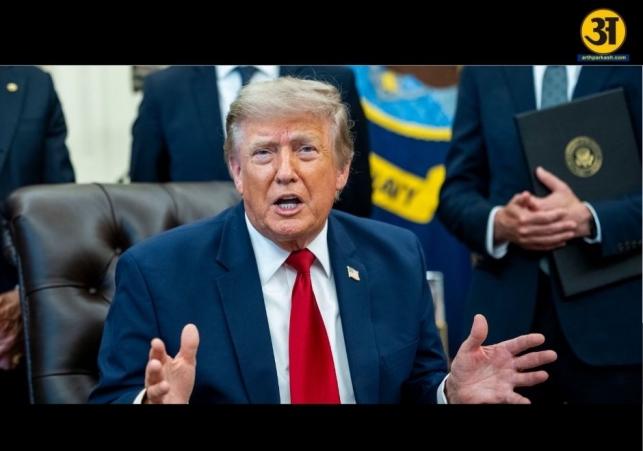
Brazil is facing new US tariffs after the Trump administration announced a 25% duty on some goods imported from the country. The decision follows a year-long investigation by the Office of the US Trade Representative (USTR), which looked into Brazil’s trade and economic policies.
Why the US imposed the tariffs
The US government said the tariffs were introduced under Section 301 of the Trade Act of 1974. According to the USTR, several Brazilian policies created unfair conditions for American businesses, workers and exporters.
The investigation examined issues such as digital trade rules, anti-corruption efforts, protection of intellectual property, tariff preferences, access to Brazil’s ethanol market and environmental practices.
US Trade Representative Jamieson Greer said the tariffs are meant to help American companies and workers compete fairly with Brazilian businesses. He added that the US spent months discussing these concerns with Brazil, but the talks did not lead to a solution. However, Washington said it is still willing to continue negotiations.
The announcement comes as President Donald Trump increases the use of trade measures to address what his administration sees as unfair practices by other countries. It also follows legal challenges to some of Trump’s earlier tariff policies, which led the administration to rely more on Section 301, a law that allows tariffs after a formal investigation.
ALSO READ: Fahadh Faasil explains why he turned down Alejandro G. Iñárritu's Hollywood project
What happens next
The new 25% tariff will apply only to selected Brazilian imports, not all products entering the United States.
Some products will be exempt, including aluminum hydroxide, artwork, certain animal hides and some pharmaceutical ingredients. The administration also left out a number of important imports to avoid major disruption for US businesses and consumers.
Brazil has criticised the decision. US Secretary of State Marco Rubio said on social media that the government of Brazilian President Luiz Inácio Lula da Silva had not negotiated in good faith with Washington. He defended the tariffs, arguing that some Brazilian economic policies harm both US and Brazilian interests.
The dispute could now move into a new phase. The two countries may hold further negotiations, Brazil could challenge the tariffs legally, or it could introduce its own trade measures in response.
The US and Brazil have strong trade relations, with goods worth tens of billions of dollars exchanged every year. Businesses in both countries could face uncertainty if the disagreement grows or if more tariffs are announced.
The Brazil case is also being closely watched because it may show how the Trump administration plans to use trade laws in future disputes. Unlike some earlier tariffs that faced court challenges, these new duties are based on a formal investigation carried out under Section 301.
Related News